 Tap to zoom
Genital Warts in Immunocompromised Patients: Differences, Symptoms, Diagnosis, and Treatment
In immunocompromised patients, genital warts often appear more severe, spread more widely, and recur more readily than in healthy individuals. This guide explains how the symptoms differ and outlines the most effective diagnostic and treatment approaches for patients with HIV or organ transplants.
- Published on
- June 26, 2026
- Reading time
- 5 min read
- Last updated
- Updated: June 29, 2026
The symptoms of genital warts in immunocompromised patients can differ and even be more dangerous than in healthy individuals. This difference is seen not only in the appearance and severity of the symptoms, but also in the course of treatment, prevention, and the likelihood of recurrence. HIV-positive patients, or those whose immune system has been weakened by medications or disease, need to have more accurate information about this viral disease.
In this comprehensive guide, you will first become familiar with the nature of genital warts, then learn about the at-risk groups and how the symptoms differ in people with low immunity, and finally learn the methods of diagnosis, treatment, prevention, and vaccination for this disease. So if you want to better understand the symptoms of genital warts in immunocompromised patients, stay with us until the end.
What are genital warts and how are they transmitted?
You have probably wondered, right at the start of this discussion and before we examine this condition in immunocompromised patients, what genital warts are and how one becomes infected with them.
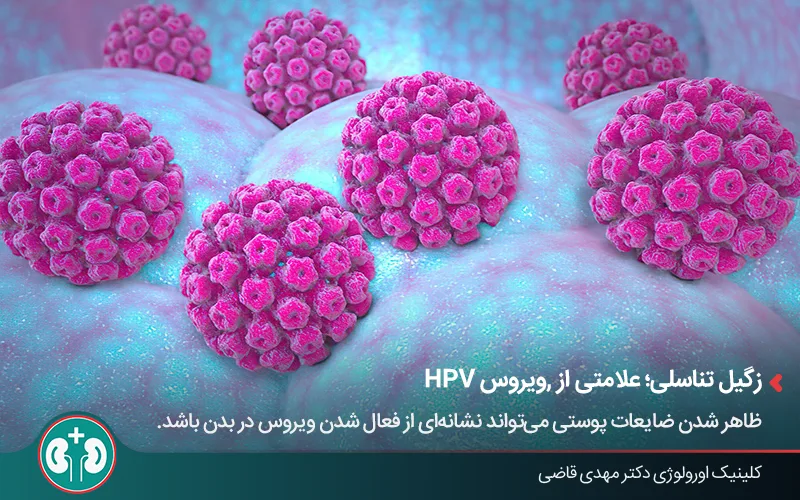
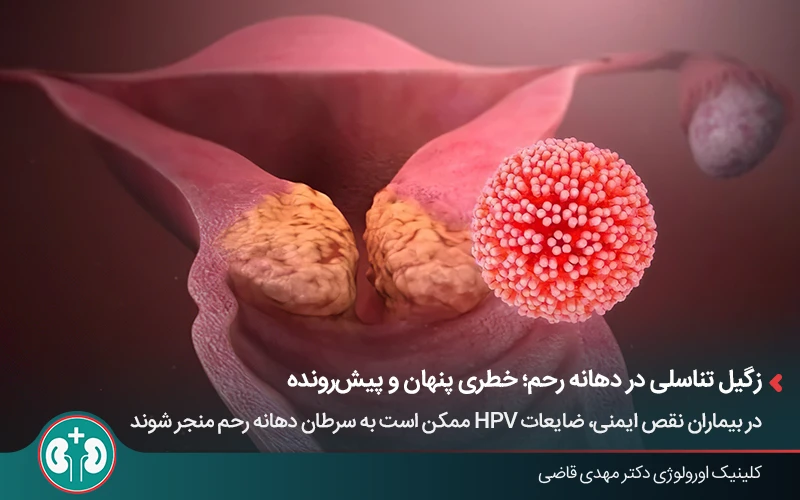
In answer to this question, we should say that this disease is a type of skin condition that appears in the genital area or around it, and its cause is a virus called the human papillomavirus, or HPV.
This virus is one of the most common sexually transmitted infections in the world, and most people who are sexually active have been in contact with at least one of its strains at some point in their lives.
The human papillomavirus has more than 100 different types; all types of this virus can cause genital warts, but some of them, in addition to genital warts, are also prone to causing cancer, including cancer of the mouth, anus, and cervix, the most important and most common of which is cervical cancer.
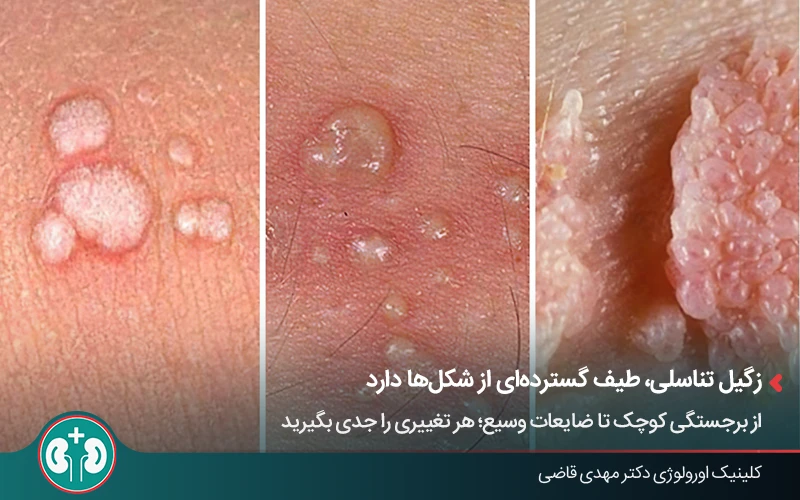
Genital warts often appear on the skin as small, soft bumps that sometimes resemble cauliflower. They may be asymptomatic or accompanied by itching, burning, or mild discomfort. For this reason, they are sometimes mistaken for genital herpes, whereas these two conditions are different from each other.
Genital herpes usually manifests as painful, fluid-filled blisters, and its cause is the HSV virus, not HPV.
The HPV virus is mainly transmitted through direct skin-to-skin contact, especially during vaginal, anal, or oral intercourse. This type of contact is the most common and most well-established route of transmission of this disease. The disease may also be transmitted through items such as a razor, underwear, or a towel, although the likelihood of this is low.
Who is at high risk of genital warts?
As we mentioned, most sexually active people come into contact with at least one of the strains of the human papillomavirus (HPV) during their lives. Nevertheless, some people are at greater risk than others of contracting or developing the symptoms of genital warts:
HIV-positive patients or people with congenital immunodeficiency
Organ transplant recipients, due to immunosuppressive drugs
People with multiple or unprotected sexual relationships
Those with a history of other sexually transmitted diseases
The best way to prevent contracting genital warts in HIV patients and other patients with low immunity is vaccination. The HPV vaccine protects the person against many of the dangerous types of the virus. This vaccine is most effective, especially if it is administered before the onset of sexual activity.
Specific symptoms of HPV in patients with immune system deficiency
In people whose immune system has been weakened for various reasons, such as HIV disease or the use of immunosuppressive drugs, the HPV virus becomes activated more quickly and its treatment course becomes more difficult.
Becoming familiar with the symptoms of genital warts in people with a weak immune system helps you better understand the situation and act sooner. The most common symptoms of HPV in immunocompromised patients are as follows:
1. Extensive and mass-like lesions
Unlike healthy individuals, who usually present with a few small warts, immunocompromised patients often experience larger lesions that grow in dense clusters.
2. Involvement of more extensive areas than usual
In patients with a weakened immune system, HPV lesions can spread beyond the genital area. In these individuals, the warts may also involve around the anus, the mouth, the lips, the tongue, or even the throat. This pattern of spread has been reported more frequently, especially in people with HIV and transplant patients who have a higher viral load or have had the infection for a longer period.
Of course, involvement of the upper respiratory tract (such as the throat or larynx) is rarer and is usually seen in a specific context such as recurrent respiratory papillomatosis (the repeated growth of warts in the respiratory passages). This condition is more associated with HPV types 6 and 11 and can be observed in newborns who became infected with it during delivery.
3. Frequent recurrence even after treatment
Removing wart lesions does not mean they are completely cured, and there is a possibility that the lesions will recur. However, one of the complications of genital warts in immunocompromised patients is that the period before the lesions reappear is shorter, and they grow back at shorter intervals.
4. Slow response to treatment and the need for combined methods
In patients with a weakened immune system, topical medications or conventional methods may not be fully effective. For this reason, the physician is sometimes obliged to combine topical treatments, surgery, cryotherapy, or laser together so that the treatment course proceeds more effectively.
5. Increased long-term risk of malignancy
Some high-risk strains of the virus, such as HPV 16 and 18, if left uncontrolled, can drive the cells of the genital area or the cervix toward cancer, and this likelihood is greater in people with a weak immune system.
Comparison of HPV symptoms in healthy patients and those with immunodeficiency
To better understand the difference in HPV symptoms between healthy individuals and immunocompromised patients, refer to the table below. This comparison helps you understand why managing this disease in high-risk groups requires greater care and follow-up. Also, to become more familiar with the symptoms of genital warts in normal individuals, read the comprehensive article on the symptoms of genital warts.
Characteristics | Healthy individuals | Immunosuppressed patients |
Severity of symptoms | Typical | Severe, recurrent, and sometimes extensive |
Lesion area | Localized | Spread (to the anus, mouth, or throat) |
Response to treatment | Typical | Slow, requiring combined treatments |
Likelihood of malignant transformation | Low | Higher (especially with HPV 16 and 18) |
The importance of early diagnosis of genital warts in HIV-positive patients
Early diagnosis of genital warts in HIV-positive patients plays a vital role in preventing the progression of the infection and the onset of serious complications. In these individuals, immune system weakness means the body lacks sufficient capacity to control the HPV virus. Some of the reasons for the importance of early diagnosis of genital warts in HIV-positive patients are as follows:
1. Immune system weakness due to a decline in CD4
In HIV-positive patients, a low level of CD4 cells prevents the immune system from adequately suppressing the HPV virus. This condition allows the infection to spread and become chronic.
2. Higher risk of being infected with several HPV types simultaneously
Studies have shown that these patients are more prone to infection with multiple HPV types, especially high-risk strains such as HPV 16 and 18, which are associated with cancer.
3. Increased risk of precancerous and cancerous lesions
According to the CDC, the likelihood of developing cervical, anal, or oral lesions in HIV-positive individuals is several times greater than in people with a healthy immune system, particularly if they are infected with high-risk HPV strains.
4. Reduction of protective immune cells at the site of infection
In areas infected with HPV, the cells responsible for local defense (such as Langerhans cells) decrease, and this leads to the persistence and proliferation of the virus.
5. Increased likelihood of vulnerability to HIV
In cases where an HPV infection is chronic, mucosal inflammation of the genital area may create conditions for easier transmission of HIV, although this association has not yet been fully proven.
6. The ability to detect hidden lesions through screening methods
Using methods such as the Pap smear, colposcopy (examination of the cervix with an optical instrument), and anoscopy (examination of the anus with a specialized instrument), even asymptomatic lesions can be identified and treated in their early stages, before they reach advanced stages.
In the following sections, we will provide further explanations regarding the practical tests for diagnosing the signs of genital warts in immunocompromised patients.
Possible complications of HPV in immunosuppressed patients
In individuals with a weakened immune system, such as HIV-positive patients, organ transplant recipients, or those with congenital immunodeficiency, an HPV infection can be more severe and accompanied by more serious complications. In these groups, the body lacks sufficient capacity to combat the virus, and this very issue increases the risk of advanced disease.
So why are HPV and AIDS more dangerous in people with a low level of immunity?
Increased risk of HPV-related cancers
According to reports from the CDC and WHO, in HIV-positive patients the risk of cervical cancer in women has been reported to be up to 22 times higher and the risk of anal cancer in men up to 37 times higher than in healthy individuals. In kidney transplant recipients as well, the likelihood of developing genital and cervical cancers increases significantly.
The appearance of extensive and uncontrollable lesions
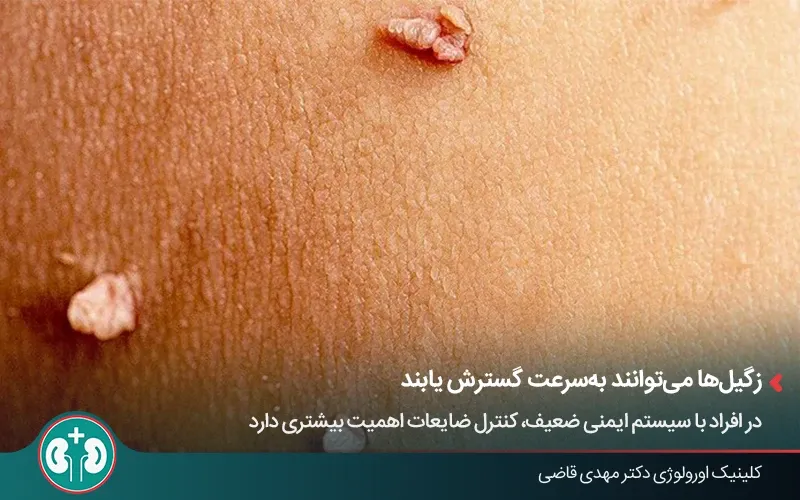
In these patients, genital warts may present in an extensive, chronic, and treatment-resistant form. These warts sometimes do not respond to common treatments such as cryotherapy or topical medications, and they recur within a short period after treatment.
Physical and psychological complications resulting from chronic lesions
The presence of recurrent and untreatable lesions can have a psychological impact in addition to physical discomfort. This situation may cause anxiety, reduced self-confidence, a decline in quality of life, or a sense of social shame.
The body's response to HPV infection in immunocompromised individuals
In the bodies of people who have impaired immune system function, such as HIV-positive patients or those who have received an organ transplant, the natural defense against the HPV virus does not function well.
Under normal conditions, immune cells such as CD4 and CD8 are responsible for identifying the virus and clearing it from the body. However, when these cells decline or their function weakens, the virus can remain in the body and gradually spread.
One of the main reasons this infection becomes chronic is the production of two specific proteins by the HPV virus:
The E6 protein: by inhibiting the cell's defense mechanisms, it prevents the natural death of the cell (apoptosis).
The E7 protein: it disrupts the cell growth cycle pathway and causes uncontrolled proliferation of infected cells.
What is the outcome of this process? Infected cells lose control over their growth, and if this trend continues, the risk of cancerous cells developing increases.
According to scientific reports from the Centers for Disease Control and Prevention (CDC), in patients who have received a bone marrow transplant, the HPV virus may remain in the body for a long time. The cause of this phenomenon is the lengthy time required for the complete reconstitution of the immune system. Until this reconstitution is complete, effective resistance against the virus is also not established.
The reason for the greater susceptibility of HIV patients to HPV
In patients with AIDS, the decline in CD4+ cells leads to a weakening of the immune system. These cells are vital for combating viruses such as HPV, but the HIV virus targets them and impairs the body's defensive capacity.
Studies have shown that HIV-positive individuals are more likely to become infected with HPV, the infection is more persistent in them, and the likelihood of being affected by several types of the virus simultaneously is higher. This situation increases the risk of developing advanced genital warts or precancerous lesions.
On the other hand, in areas infected with HPV, the protective cells of the skin surface decrease, and the virus remains in the body more easily. In chronic cases, the inflammation caused by HPV may increase vulnerability to HIV, although according to studies by the Centers for Disease Control and Prevention, this association has not yet been definitively proven.
Tests required for diagnosing warts in immunocompromised patients
As you have understood so far, in people with low immunity, such as HIV-positive patients or organ transplant recipients, the likelihood of HPV-related lesions spreading, persisting, or becoming malignant is higher. For this reason, specialized and precise tests should be used to diagnose genital warts in immunocompromised patients:
1. The HPV test and identification of high-risk types in patients with low immunity
The HPV test in immunocompromised patients, especially women, is used to identify high-risk types of the virus in the cervical area. However, this test alone is not sufficient for diagnosing genital warts and is usually performed in combination with a Pap smear or colposcopy.
2. The Pap smear and monitoring of cervical cells in HIV-positive patients
The Pap smear is performed in women to examine cervical cells in order to detect precancerous changes. In HIV-positive patients, periodic performance of the Pap smear is of twofold importance, because the risk of a genital wart infection progressing to malignant lesions is higher.
3. Biopsy for diagnosing suspicious or treatment-resistant lesions
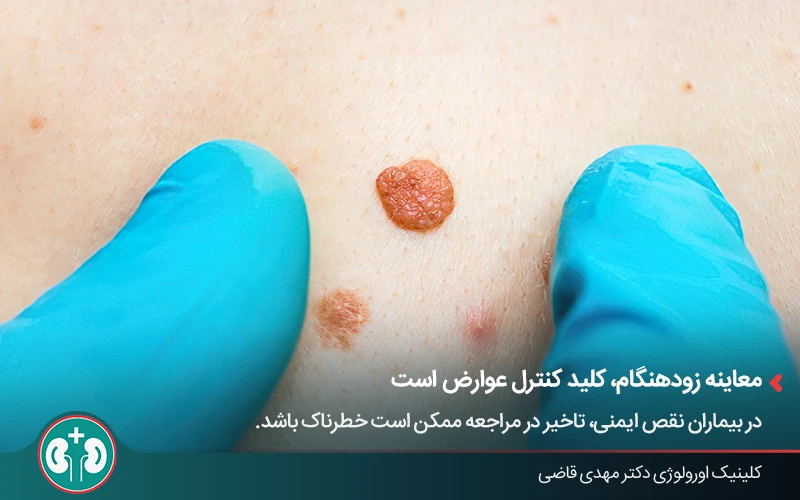
When a lesion is atypical—for example, dark-colored, firm, fixed to the underlying tissue, bleeding, or ulcerated—a biopsy becomes necessary to diagnose human papillomavirus. Likewise, if conventional treatments fail or the lesion grows larger, the physician uses a biopsy to make an accurate diagnosis.
Sometimes certain lesions merely resemble genital warts but may in fact be caused by another disease. A biopsy helps the physician determine exactly what type of lesion they are dealing with, so that the wrong treatment is not given.
Differences in HPV symptoms between immunocompromised men and women
The symptoms of this virus differ between women and men both in terms of where they appear and in terms of the likelihood of progressing to more serious diseases.
On the other hand, people often do not know what the difference is between genital warts and genital herpes in men and women, whereas, as we mentioned earlier, genital warts are usually firm, painless lesions whose appearance resembles a cauliflower and are caused by HPV (particularly types 6 and 11).
In contrast, genital herpes, which is caused by HSV, is usually accompanied by painful blisters, itching, and superficial ulcers. Clinically distinguishing between these two conditions is sometimes difficult, which is why in suspicious cases a PCR test or biopsy is needed. To better understand the differences in HPV between immunosuppressed men and women, see the table below:
Feature | Immunocompromised women | Immunocompromised men |
Common site of involvement | Cervix, vagina, external genital area | Anogenital area, perineum, urethra |
Common complications | Precancerous cellular changes, possible cervical cancer | Multiple warts, possible anal cancer, especially in HIV-positive individuals |
Diagnosis | Pap smear + HPV test | Physical examination + anoscopy + HPV test |
Lesion characteristics | May be hidden, asymptomatic, and located inside the cervix | Often visible and superficial, but sometimes treatment-resistant |
Follow-up | Annual or more frequent, depending on the status of the body's immune cells | Depends on sexual behavior, lesion location, and treatment response |
A visual guide to genital warts in HIV patients
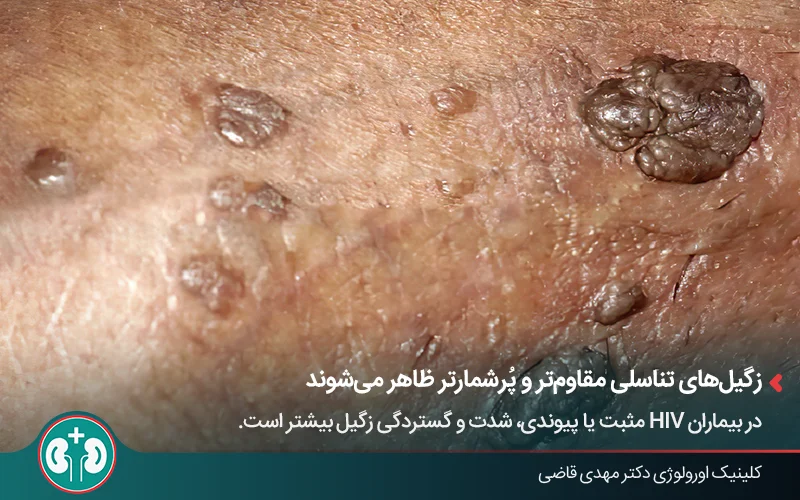
If you notice abnormal-looking bumps in the genital area or around the anus, you need a more precise description of genital warts. In HIV patients, genital warts usually appear as small, soft bumps that are skin-colored or slightly pinkish or grayish.
The surface of the warts may be smooth, but more often they have an uneven, cauliflower-like surface. In many cases, the warts grow in multiples and clusters, which is referred to as clustered genital warts.
These growths may appear in various areas, including the penis, scrotum, around the anus, the vulva, the vaginal opening, inside the cervix, and even inside the mouth or throat.
Unlike genital herpes, which is accompanied by painful, fluid-filled blisters, genital warts are usually painless but may cause itching, burning, or mild bleeding.
Is HPV treatment different for immunocompromised patients?
Treatment of HPV infection is usually aimed at eliminating the warts and preventing the spread of the virus. In healthy individuals, this process is often simpler, and methods such as topical medications, cryotherapy (freezing), laser, or surgery can be effective. In some cases, the warts even disappear over time without any specific treatment.
However, the course of HPV treatment in immunocompromised patients is more complex for the following reasons:
These patients' immune system is unable to fully suppress the virus.
The warts usually appear in greater numbers and larger sizes.
The likelihood of the lesions returning quickly after treatment is much higher.
Under these circumstances, treatment usually requires a combination of the following methods:
Topical medications alone are not sufficient.
The physician may use laser, repeated surgeries, or cryotherapy combined with medication.
Regular monitoring of the patient's condition is essential for detecting new lesions or cellular changes.
Administration of the HPV vaccine in a complete three-dose schedule, even if they have already been infected with the virus.
Among the benefits of using the vaccine to treat genital warts in patients with a weakened immune system are the following:
Reducing the likelihood of being affected by newer strains of the virus
Reducing the severity of symptoms in the event of reinfection
Helping to prevent precancerous lesions associated with high-risk HPV types
Response of a weakened immune system to HPV
As we mentioned in the previous section, the body's response to HPV in people with a weakened immune system is very different from the normal state.
Under normal conditions, innate immune cells such as macrophages, natural killer (NK) cells, and dendritic cells play the primary role in recognizing and controlling the virus. However, in people with a weakened immune system, these cells do not function effectively.
The virus that causes genital warts exploits this very weakness to survive and progress within the body. Specific proteins such as E6 and E7, produced by the virus, disrupt the normal course of the cell cycle and prevent apoptosis (programmed cell death).
These proteins also prevent the body's natural immune responses; for example, by reducing the expression of TLR9 receptors or lowering the level of MHC molecules, the immune system's process of recognizing infected cells is impaired.
In this situation, not only the innate immune system but also adaptive immunity is affected. The balance between type 1 helper cells (Th1) and type 2 (Th2) is disrupted, and the activity of regulatory T lymphocytes increases—a condition that produces "immune tolerance" and allows the virus to remain in the body undisturbed. This very phenomenon sets the stage for precancerous lesions and cervical cancer.
As a result, in people who have a weakened immune system, HPV can persist in a latent and chronic form, cause more serious complications, and even lead to cancer.
Treating and preventing genital warts in HIV patients and other high-risk groups requires targeted strengthening of the body's immunity, such as therapeutic vaccines or nutritional and pharmacological care.
Conclusion
Because of the body's weakened defense system, the symptoms of genital warts in immunocompromised patients take on a more serious and complex form. These patients must pay closer attention to symptoms, prevention, early diagnosis, and treatment.
Using the HPV vaccine, seeing a doctor regularly, and observing sexual hygiene play an essential role in controlling this virus. Most importantly, awareness and continuous follow-up can prevent irreversible complications.
Frequently asked questions
Actions & related links
Related articles
All articlesWhat Is Polycystic Kidney Disease? (Fetal and Adult PKD)
What is polycystic kidney disease? Learn about inherited ADPKD and ARPKD, fetal and adult symptoms, complications, diagnosis, medicines, surgery, diet, fluids, and prevention-focused care.
What Is a Renal Cortical Cyst? Symptoms, Diagnosis, and Treatment
Renal cortical cyst | Simple vs. complex kidney cysts | Warning symptoms | Diagnosis and treatment | Needle drainage, laparoscopy, medication, and ablation
Kidney Transplant: Cost, Blood Type Compatibility, and Surgical Method
What is kidney transplant? Learn about cost considerations, operation duration and method, diet, who may not be eligible, success rates, isolation precautions, and post-transplant care.
What Is Pyelonephritis? Kidney Infection Symptoms, Diagnosis, and Treatment
What is pyelonephritis? Learn kidney infection symptoms in women, children, men, and pregnancy; diagnosis, antibiotics, treatment, emergency warning signs, and cystitis differences.
Comments
0 comments
No comments yet. Be the first to share your thoughts.