
 Tap to zoom
Cancer of the Ureter and Renal Pelvis: Symptoms, Diagnosis, and Treatment
Cancer of the ureter and renal pelvis is among the rare cancers of the urinary tract and may present with symptoms such as pain and blood in the urine. In this article, you will learn about the causes, symptoms, diagnostic methods, and treatment of this disease.
- Published on
- June 26, 2026
- Reading time
- 5 min read
- Last updated
- Updated: June 26, 2026
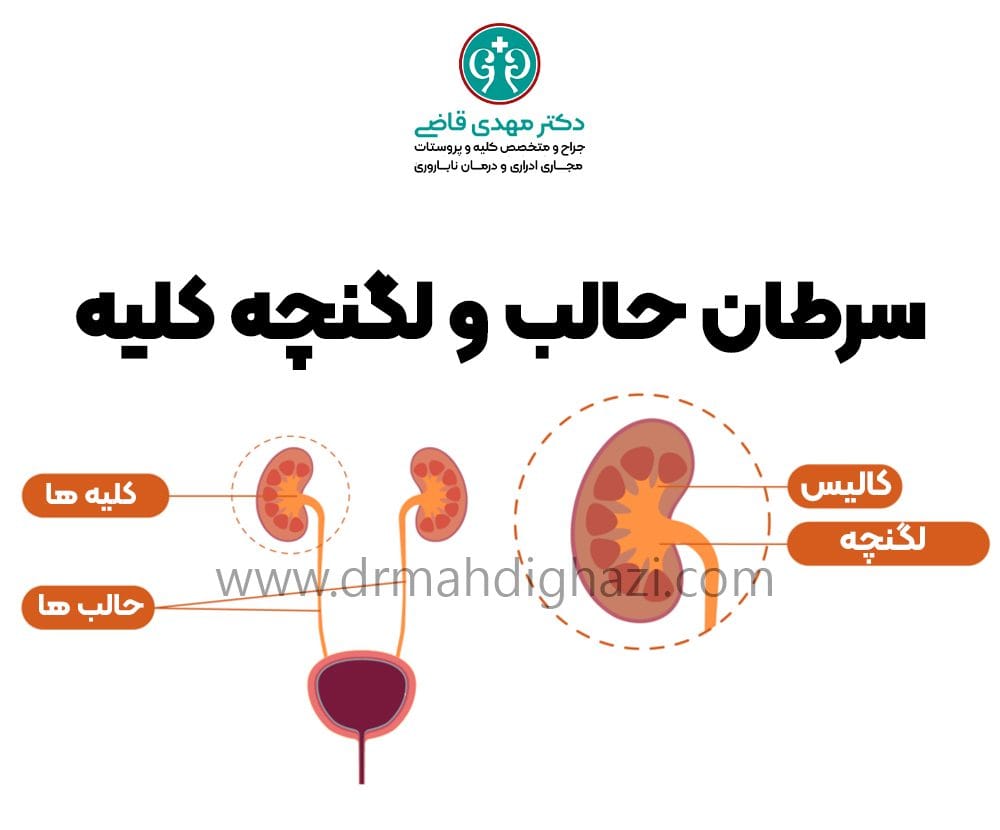
Cancer of the ureter and renal pelvis (UTUC) is a rare cancer that involves the upper urinary tract, including the renal pelvis and the ureter.
This cancer is different from bladder cancer or kidney cancer, and about 7,000 new cases are diagnosed each year in the United States.
Urologic surgeon Kidney stone and urinary tract specialist
Note: To improve care quality and patient satisfaction, appointments are triaged by reason for visit. Each physician sees patients within the relevant urology subspecialty.
Book appointment
A precise understanding of this disease, its causes, symptoms, and treatment methods can help with diagnosis and treatment in the early stages.
The aim of this article is to increase public awareness by providing a comprehensive review of this cancer and the information needed to recognize and treat it, helping patients and physicians manage the disease more effectively.
Causes and Risk Factors
Cancer of the ureter and renal pelvis (UTUC) has several risk factors, some controllable and some not. The most important risk factor is smoking, which by itself can multiply the likelihood of developing this cancer.
Appointments related to Urologic surgeon Kidney stone and urinary tract specialist
Public recorded-slot data is available for this destination.
Book appointment
Chemicals in cigarette smoke damage the urinary tract and cause cancerous changes in the lining cells of the ureter and renal pelvis.
Age is another important factor; most cases of this cancer are seen in people older than 70 years.
This is related to age-associated cellular changes and the body's reduced ability to repair cellular damage.
Q&A — Urologic surgeon Kidney stone and urinary tract specialist
General questions are shown on the destination page after review.
Book appointment
Genetic factors also play an important role in UTUC. People with inherited Lynch syndrome, a rare genetic disorder, are at higher risk of developing this type of cancer.
Lynch syndrome prevents the body from repairing damaged DNA normally, which can lead to the formation of cancer cells.
In addition, a family history of urinary tract cancers can also increase the risk.
Exposure to industrial chemicals, such as aromatic amines and certain dyes, can also increase the risk of UTUC.
People who work in industries involving these materials should use appropriate protective measures to avoid direct contact with them.
Use of some medicines and medical treatments can also increase the risk of this cancer.
For example, long-term use of some pain relievers or anti-inflammatory medicines can damage the kidneys and increase the risk of cancer of the ureter and renal pelvis.
Finally, preventing risk factors and having regular checkups, especially for people with a family history or Lynch syndrome, can help reduce the risk of UTUC.
Lifestyle changes such as quitting smoking, using protective equipment in industrial settings, and proper management of chronic diseases can also play an important role in preventing this cancer.
Symptoms
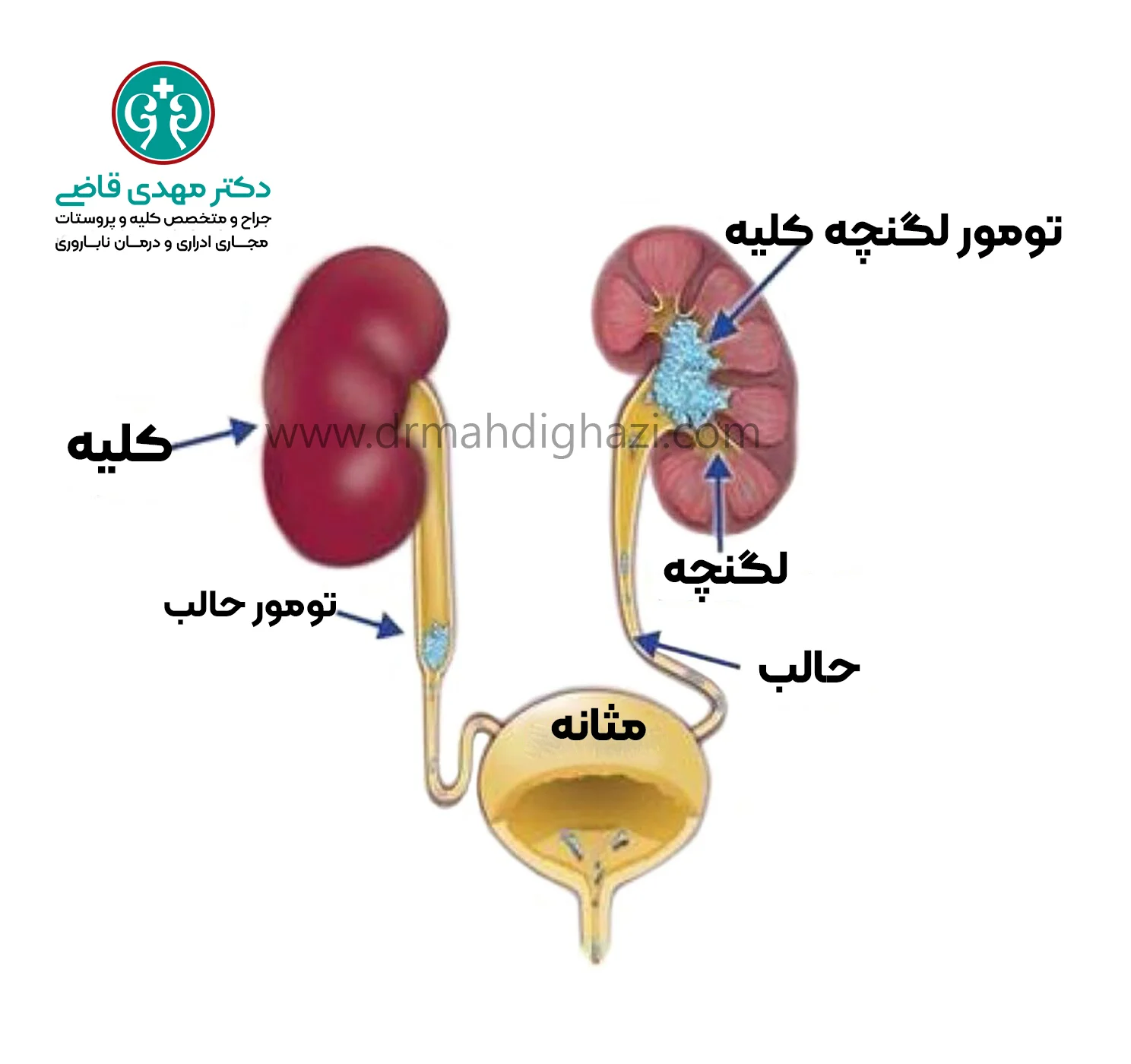
Symptoms of cancer of the ureter and renal pelvis (UTUC) may be subtle in the early stages and can easily be overlooked.
Many people with this type of cancer initially have no symptoms, and their disease is often discovered incidentally during medical testing for other problems. The most common sign is the presence of blood in the urine (hematuria).
This blood may be microscopic, meaning it can be detected only under a microscope, or it may be clearly visible in the urine, which is called gross hematuria.
Another common symptom is long-lasting flank pain caused by partial or complete blockage of the ureter by the tumor.
This pain may appear as a dull, persistent pain in the flank or back, and its severity varies according to the degree of obstruction and disease progression.
In more advanced cases, a person may develop unexplained weight loss, loss of appetite, and night sweats. These are more general symptoms and can indicate that the cancer has spread to other parts of the body.
Types of Tumor
Cancer of the ureter and renal pelvis (UTUC) is divided into two main types:
Low-grade UTUC
Low-grade tumors are usually less aggressive and are less likely to spread into the depth of the kidney or to other parts of the body.
These tumors grow more slowly and are usually controllable with surgery or localized drug therapy.
However, even after successful treatment, the chance of recurrence is high, so follow-up and regular examinations are needed after treatment.
High-grade UTUC
High-grade tumors are much more aggressive and are more likely to spread to deeper kidney tissues, nearby organs, and distant parts of the body.
These tumors require more intensive and wider-ranging treatments, which may include more extensive surgery, chemotherapy, and in some cases radiotherapy.
Because of the aggressive nature of these tumors, the prognosis for patients with high-grade tumors is usually worse than for patients with low-grade tumors.
Cancer Recurrence Rate
The recurrence rate of cancer of the ureter and renal pelvis (UTUC) is very high even after successful treatment. This means patients must remain under regular medical surveillance so that if the cancer returns, it can be diagnosed and treated promptly.
For low-grade tumors, although the recurrence rate is lower than for high-grade tumors, periodic examinations are still needed.
These examinations include imaging studies such as CT scans and urine tests.
Patients with high-grade tumors need closer and more frequent monitoring. This monitoring includes periodic CT scans, blood and urine tests, and in some cases cystoscopy to evaluate the bladder.
Regular and careful follow-up can help detect cancer recurrence early and increase the chance that later treatments will be successful.
Diagnostic Methods
Diagnosis of cancer of the ureter and renal pelvis (UTUC) is usually based on clinical symptoms and the use of imaging and endoscopic methods.
The first diagnostic step is a contrast-enhanced CT scan of the abdomen and pelvis.
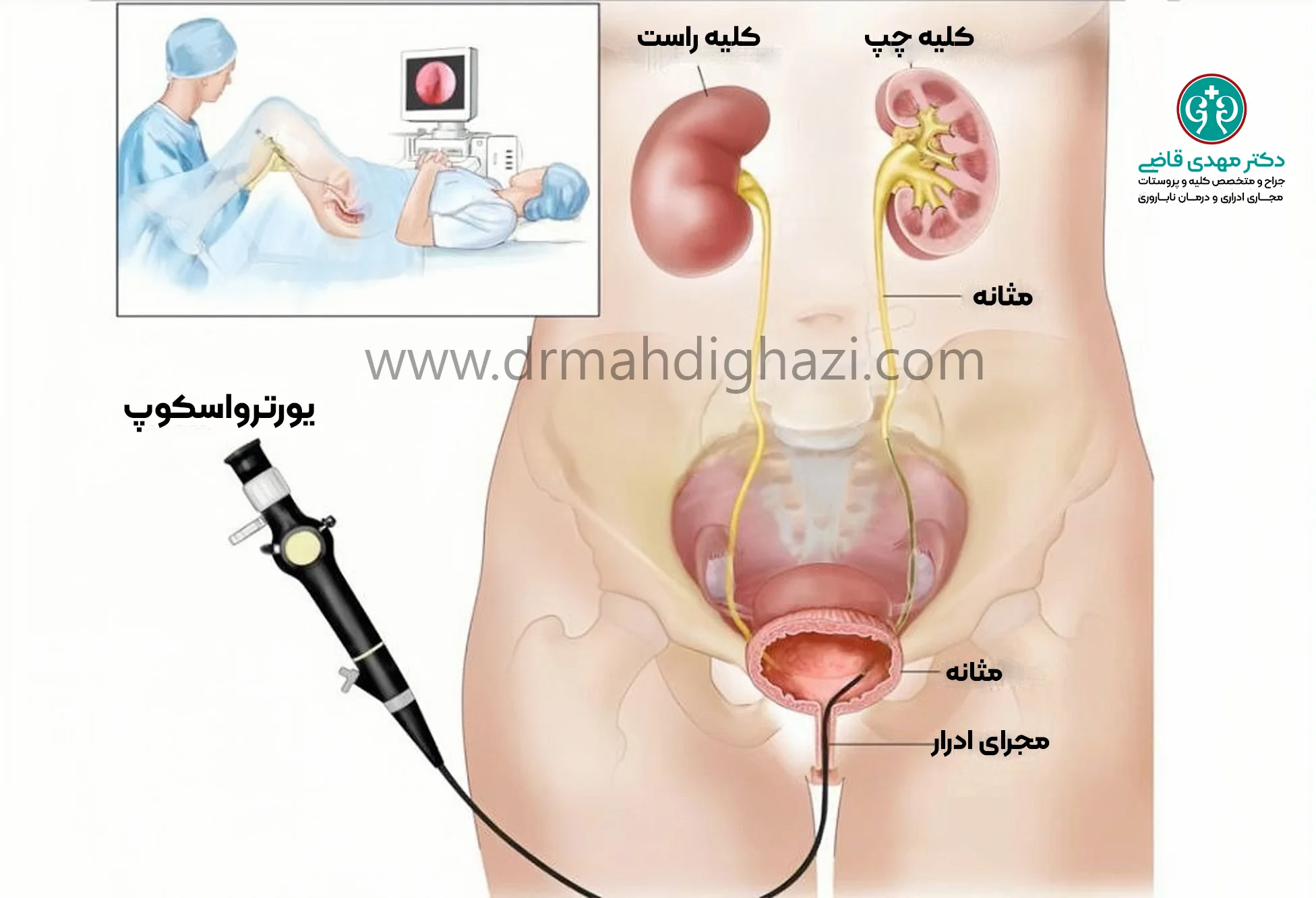
A CT scan can provide a detailed image of the urinary tract and kidneys and help the physician identify the presence of a tumor. If the CT scan suggests possible cancer, the physician may use ureteroscopy to confirm the diagnosis.
Ureteroscopy is an endoscopic procedure in which the urologist enters through the urethra and bladder and advances up the ureter to view the inside of the kidney and the ureteral pathway. The urologist can also take a tissue sample from the ureter for biopsy.
Treatment
Treatment for Low-Grade Tumors
Treatment of low-grade tumors (Low-grade UTUC) mainly includes surgery and localized drug therapy.
Ureteroscopic and laparoscopic surgery are common methods in which the physician destroys the tumor using a laser or electrocautery.
In this method, surgical instruments enter the body through the urethra without the need for large incisions, which reduces recovery time and postoperative complications.
For larger tumors, laparoscopic surgery may be needed, in which the tumor is removed through several small openings in the abdominal wall.
In some cases, complete removal of the kidney, ureter, and part of the bladder (nephroureterectomy) may be necessary. This surgery is recommended for larger tumors or cases in which the tumor has spread to other parts of the kidney or ureter.
Also, if the tumor involves only part of the ureter, ureterectomy can be used; in this operation only the involved part of the ureter is removed and the remaining segments are sewn together.
Treatment for High-Grade Tumors
Treatment of high-grade tumors (High-grade UTUC) usually requires combined approaches.
One treatment option is chemotherapy before surgery. In this approach, four cycles of chemotherapy are given to reduce tumor volume, and then nephroureterectomy is performed.
In this surgery, the kidney and ureter are removed together with part of the bladder. In addition, some lymph nodes around the surgical site may be removed to help prevent spread of the cancer to other parts of the body.
Conclusion
Cancer of the ureter and renal pelvis (UTUC) is a serious but treatable disease. Recognizing the symptoms, causes, and treatment methods can help patients be diagnosed and treated in the early stages.
Because this cancer has a high probability of recurrence, patients should remain under regular medical supervision even after successful treatment.
Lifestyle change, smoking cessation, and regular examinations can help prevent this disease. With new advances in diagnostic and treatment methods, hope for improvement and reduction of complications from this disease has increased.
Frequently Asked Questions
Actions & related links
Related articles
All articlesWhat Is Polycystic Kidney Disease? (Fetal and Adult PKD)
What is polycystic kidney disease? Learn about inherited ADPKD and ARPKD, fetal and adult symptoms, complications, diagnosis, medicines, surgery, diet, fluids, and prevention-focused care.
What Is a Renal Cortical Cyst? Symptoms, Diagnosis, and Treatment
Renal cortical cyst | Simple vs. complex kidney cysts | Warning symptoms | Diagnosis and treatment | Needle drainage, laparoscopy, medication, and ablation
Kidney Transplant: Cost, Blood Type Compatibility, and Surgical Method
What is kidney transplant? Learn about cost considerations, operation duration and method, diet, who may not be eligible, success rates, isolation precautions, and post-transplant care.
What Is Pyelonephritis? Kidney Infection Symptoms, Diagnosis, and Treatment
What is pyelonephritis? Learn kidney infection symptoms in women, children, men, and pregnancy; diagnosis, antibiotics, treatment, emergency warning signs, and cystitis differences.
Comments
0 comments
No comments yet. Be the first to share your thoughts.